
 Safeguarding
 Find clergy


Festivals and seasons provide some of the best opportunities to connect with people in our communities and invite them to explore faith.
On these pages, you will find ideas for events, activities, and worship that can help you engage with people who may have little or no connection with church. Thinking carefully about welcome, accessibility, and the experience of those who do not yet know God's love can transform the way we plan and deliver what we do.
We hope these resources will inspire, encourage, and equip you as you develop fresh approaches to seasonal ministry and outreach in your own context.
We all need inspiration from time to time. If you have tried something that has worked well in your church or community, please let us know. By sharing ideas and learning from one another, we can continue to grow and encourage mission across our churches.
Back to school service

The start of September is a natural moment of transition for many families, a time filled with both excitement and a few nerves as new routines begin. It’s a wonderful opportunity for the church to offer a warm, prayerful space of encouragement. Why not consider hosting a family-friendly Back to School Service to mark the beginning of this new season?
You can shape the worship and liturgy to suit those you are hoping to welcome. Keep it accessible, engaging, and full of life — especially for children and families who may be unfamiliar with church.
Some simple ideas you might include:
- Choose well-loved hymns and songs — those classic school assembly favourites that invite everyone to join in with confidence
- Create a moment of sharing where children can talk about what they pack in their school bags
- Offer a special prayer of blessing for school bags, asking God to be with the children in all they carry and all they will encounter
This can also be a meaningful moment to celebrate and support those who work in education:
- Invite teachers and school staff from your local community, especially where strong connections already exist
- Include a time to pray for staff and schools at the beginning of the new term
- Remember members of your own congregation who work in education, lifting them and their workplaces in prayer
If your church runs regular children’s groups or clubs, this is also a great opportunity to:
- Pray for leaders and volunteers as they prepare to restart after the summer break
With just a little creativity and care, a Back to School Service can be a joyful and reassuring way to walk alongside families at this important time of year.
For more ideas and inspiration, explore these helpful webpages:
Planning for Christmas

Planning for Christmas is about far more than arranging a programme of services and events. It is an opportunity to proclaim the good news of the Incarnation, welcome those who rarely attend church, nurture faith within the congregation, offer pastoral care, and engage the wider community in mission. Thoughtful planning helps ensure that Christmas is not simply busy, but fruitful.
The first step is to be clear about your purpose. Before filling the calendar, take time to reflect prayerfully on what God may be calling your church or Ministry Area to focus on during this season. For each event ask your self; are you seeking to deepen worship, engage the wider community, support families, strengthen discipleship, or reach those who seldom attend church? Christmas activities should support the church's wider mission and ministry rather than exist as isolated events so understanding the purpose of each event is important..
Christmas brings a significant missional opportunity. Many people who do not usually attend church are willing to do so during the festive season. Consider carefully what a visitor will experience. Is the welcome warm? Is the building accessible? Is the Gospel communicated clearly? How will people be encouraged to stay connected after Christmas? Personal invitations, social media, local publicity, and school partnerships can all help increase engagement, but long-term relationship building should also be considered. Pick one event and one regular activity after Christmas that you can invite everyone to.
Children and families are often at the centre of Christmas ministry. Crib services, Christingles, nativity trails, children's choirs, family craft activities, and Messy Christmas events can help communicate the Christian story in engaging ways. When planning, consider safeguarding, accessibility, buggy access, sensory needs, and the inclusion of children with additional needs so that every family feels welcome.
Churches should also remember that Christmas can be difficult for many people. Bereavement, loneliness, illness, financial pressure, and family difficulties often feel especially acute during this season. Services of remembrance, Blue Christmas services, candle-lighting opportunities, prayer stations, and times of quiet reflection can help create space for grief while offering hope and comfort. Pastoral visits, home communions, care home ministry, and support for isolated members of the congregation remain important aspects of Christmas ministry.
Music and worship planning require careful preparation. Consider choir capacity, musician availability, rehearsal schedules, and copyright requirements. A balance should be struck between tradition and accessibility, particularly when visitors are expected. Familiar hymns and carols often encourage greater participation and confidence among occasional worshippers.
Christmas can place considerable demands on volunteers. Churchwardens, musicians, readers, children's leaders, welcomers, flower arrangers, and catering teams often carry significant responsibilities. Planning early, sharing tasks widely, and being realistic about what can be delivered helps prevent exhaustion and supports a positive experience for everyone involved.
Practical matters should not be overlooked. Health and safety responsibilities include fire risk assessments, candle use, crowd management, and emergency procedures. Safeguarding arrangements should be reviewed, particularly where children are participating in services. Accessibility should include consideration of hearing loops, large-print materials, wheelchair access, and online provision where possible.
Clear communication is essential. Volunteers need accurate information about rotas and responsibilities, while visitors need straightforward details about venues, service times, parking, contact information, and accessibility. Websites, social media, parish magazines, posters, school newsletters, and local media all play an important role in sharing information.
Financial planning should also form part of preparations. Heating, hospitality, music licensing, printing, and decorations can increase costs. At the same time, Christmas can provide opportunities to encourage generosity, support charitable appeals, and communicate openly about the costs of ministry.
Above all, Christmas planning should be rooted in prayer. Pray for visitors, volunteers, schools, community partners, and those who feel distant from God. Throughout the planning process, keep asking one simple question:
How will this help people encounter the living Christ at Christmas?
When that question remains at the heart of every decision, Christmas ministry is far more likely to bear fruit long after the decorations have been packed away.
Intergenerational Christmas
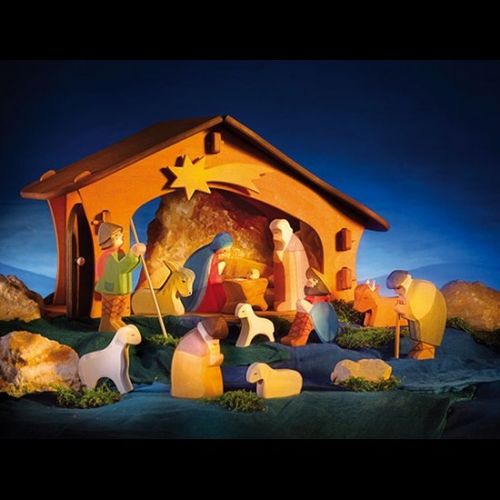
Advent, Christmas and Epiphany, provide wonderful opportunities to create experiences that help people of all ages encounter the story of Jesus in fresh and engaging ways. Whether you are planning worship, community events, family activities or opportunities for faith exploration, there are some excellent resources available to support your ministry.
Connecting with Families Through the Season
The Advent and Christmas period is often a time when families are particularly open to engaging with church life. The Church of England has gathered practical ideas and inspiration to help churches strengthen relationships with children and families from Advent through to Epiphany.
Explore the resource here:
https://churchsupporthub.org/all-resources/connecting-with-families-from-advent-to-epiphany/
Posada: Welcoming the Holy Family
Posada has become a cherished Advent tradition in many communities. Figures from the nativity story travel from household to household, echoing the journey of Mary and Joseph and creating opportunities for conversation, hospitality and connection.
If you are looking for a simple yet effective way to draw people together during Advent, this guide offers practical advice and ideas:
https://churchsupporthub.org/all-resources/how-to-use-posada-to-build-community-during-advent/
Bringing Bible Stories to Life
For those working with children, Story Stack provides creative printable resources that help bring Bible stories alive. Characters can be attached to paper cups, allowing children to retell and explore the Christmas story in a hands-on and memorable way.
Find the resources here:
https://www.storystack.co.uk/stories-to-print
Making the Christmas Story Accessible for Everyone
Helping every child engage with the story of Jesus' birth is an important part of our calling. Blackburn Diocese has produced an excellent resource designed to share the Christmas story with children who have additional needs, helping churches make their ministry as welcoming and accessible as possible.
Learn more here:
https://www.bdeducation.org.uk/product/why-stories-for-christmas-new/
Taking Christmas Outdoors
Christmas celebrations do not have to remain within church walls. Outdoor activities can create new opportunities for connection with families and communities who may not otherwise engage with church events. Blackburn Diocese has produced a collection of ideas to support outdoor church at Christmas.
Discover them here:
https://www.bdeducation.org.uk/product/outdoor-church-christmas-activities/
The Christmas Story, Brick by Brick
Many children, and quite a few adults, enjoy building with LEGO®. Faith in Kids has developed creative resources that use bricks to tell the Christmas story. These activities work particularly well in church groups, Messy Church, school settings, family events and home-based discipleship.
Find out more here:
https://www.faithinkids.org/resources/church/the-christmas-story-brick-by-brick/
Don't Forget Epiphany
While much attention is rightly given to Advent and Christmas, Epiphany provides another valuable opportunity to engage families and continue telling the story. Why not consider hosting a children's Epiphany celebration? BRF has produced resources to help churches explore the visit of the Wise Men in a creative, joyful and faith-filled way.
Explore the resource here:
https://www.brf.org.uk/product/christmas-stars-in-their-skies-epiphany/
A Final Encouragement
The weeks between Advent and Epiphany are among the most significant opportunities in the church year for connecting with new people and deepening relationships with those already involved in church life. Many who rarely attend church are open to invitations, community events and opportunities to explore the Christmas story. These resources offer practical ways to nurture faith across generations, build community and help people discover the hope of Christ afresh.
May your planning be filled with creativity, joy and confidence as you seek to share the good news of Jesus with children, families and communities this season.
Harvest

Harvest has always been more than a date in the calendar; it is a season that invites churches to slow down, notice, and give thanks. It offers a natural opportunity to help people reconnect with where their food comes from, tracing the often-hidden journey from soil to table. Through simple displays, conversations, or stories shared in worship, congregations can begin to rediscover the web of care, labour, and provision that sustains everyday life, and root their gratitude more deeply in God’s generosity.
Reconnect with Where Food Comes From
Harvest offers a natural moment to help people reflect on the journey from field to table. Churches might:
- Create displays or prayer stations that trace the story of food production (farming, transport, retail, preparation).
- Invite a local farmer or food producer to speak briefly in a service or event.
- Encourage people to share stories of growing, cooking, or sourcing food, helping reconnect everyday life with God’s provision.
This theme can be woven into worship, with prayers that give thanks not only for food but for all those involved in producing and distributing it.
Thank Local Food Producers
Writing to local farmers, food producers, delivery workers, and shop staff becomes an expression of that gratitude in action. A few thoughtful words, assuring people of prayer and appreciation, can build bridges of goodwill. When these letters also carry an invitation to a Harvest service or event, the church opens its doors in a spirit of welcome shaped not by expectation, but by thankfulness.
- Organise a church-wide initiative to write letters or cards to local farmers, food producers, delivery workers, and supermarket staff.
- Assure them of the church’s prayers, especially in times of economic or environmental uncertainty.
- Include an invitation to a Harvest service or community event.
This can be particularly powerful if done collectively (for example, after a service or as a children’s activity), reinforcing a culture of thankfulness and connection.
Bread-Making Workshop
A bread-making workshop, creates a space where hands are busy and conversations flow easily. Whether designed for families or adults, such a gathering can carry a quiet thread of reflection—on daily bread, on sharing, on the deeper nourishment found in Christ. The bread itself may even find its way into worship, linking the everyday with the sacred in a tangible and memorable way.
A hands-on activity can engage people who might not otherwise come to church:
- Run a bread-making workshop in the church hall or a local community space.
- Shape it to your context: a family-friendly session with simple recipes, or a more in-depth workshop for adults.
- Encourage participants to attend the Harvest service.
You might also:
- Use some of the bread made in the workshop within a Harvest Eucharist (where appropriate).
- Invite participants to take a loaf home and share it with a neighbour as part of outreach.
Partner with a Local Food Poverty Charity
Harvest is not only about celebration; it is also about attentiveness to need. Partnering closely with a local food poverty charity ensures that generosity is well placed and helpful. By listening carefully to what is required, churches can move beyond well-intentioned giving to something more thoughtful and responsive. In doing so, Harvest becomes not just an annual collection, but part of a longer story of relationship, service, and shared concern for the wellbeing of the community.
To ensure Harvest giving is genuinely helpful:
- Ask specifically what items are needed rather than relying on assumptions.
- Share a clear, updated list with the congregation ahead of Harvest.
- Consider collecting financial donations alongside goods if that is more effective.
This partnership can go beyond Harvest:
- Invite representatives to speak about their work.
- Explore opportunities for volunteering or longer-term collaboration.
Harvest Afternoon Tea & Auction
An afternoon tea offers a relaxed and welcoming setting in which friendships can grow. Surrounded by Harvest flowers and produce, people gather not only to enjoy hospitality but to take part in a shared celebration. Auctioning or raffling the displays adds a touch of enjoyment while also raising funds for good causes, ensuring that the gifts of the season continue to bless others.
Turn Harvest into a relational and celebratory community event:
- Host an afternoon tea open to the wider community, including those on the fringe of the church.
- Use the occasion to display flowers, produce, and Harvest decorations.
- Auction or raffle the displays and perishable goods at the end of the event.
This creates multiple benefits:
- Builds relationships in a relaxed and welcoming setting.
- Provides a gentle invitation into church life.
- Raises funds for a chosen charity or local cause.
- Ensures that perishable gifts are used well and not wasted.
You might also include:
- Live music or local performers.
- Short words of thanks or a prayer of blessing.
When these strands are woven together, gratitude, creativity, relationship, and generosity. Harvest becomes something richer than a single service or collection. It becomes a season of renewed awareness and shared life, an occasion through which churches can express a faith that is not only celebrated within their walls but lived out in ways that are both generous and deeply rooted in community.
All Souls

All Souls offers the church a gentle and sacred opportunity to stand alongside those who grieve. It is always a privilege when we are invited into the most tender and painful moments of people’s lives, particularly through the ministry of funerals. In these encounters, we glimpse both the depth of human sorrow and the quiet resilience of love that endures beyond death. As the year turns and the days grow shorter, this reality often feels closer to the surface. While much of the world begins to look ahead toward Christmas, late October and early November can be especially heavy for those carrying loss.
Into that space, the ancient prayer speaks with simplicity and hope: “Eternal rest grant unto them, O Lord, and let perpetual light shine upon them.” It is both a plea and a promise, holding together grief and the assurance of God’s enduring care.
All Souls Service
One of the most natural ways for a church to respond during this season is through an All Souls service. This can be a deeply pastoral moment, particularly when families who have been supported through funerals in recent years are personally invited to return. Hearing the names of loved ones spoken aloud in prayer can be profoundly comforting. It reassures those who mourn that the people they love are not forgotten, and that their grief continues to be held within the prayers of the Church.
Candlelit Prayer Gathering
Alongside this, a simple candlelit gathering can create a powerful yet gentle space for remembrance. As darkness falls, people come together to light candles for those they love, placing them around a cross or a shared focal point. The quiet accumulation of light becomes a visible sign of hope held in common. Holding such a gathering outside the usual church setting—perhaps in a churchyard or another community space—can make it easier for those who feel hesitant about entering a church building to take part.
A memory wall or message tree
There are also creative ways to give people space to express what may be difficult to put into words. A memory wall or message tree allows individuals to write prayers, messages, or the names of loved ones and leave them in a shared place. As others pause to read these notes, a quiet sense of solidarity often emerges: grief is no longer carried alone, but recognised and shared. Similarly, a Book of Remembrance, available in the days leading up to All Souls, offers a lasting record where names can be inscribed and revisited in prayer over time.
Remembrance Meal
Hospitality, too, has an important role in this season. Food has long been woven into the ways we remember and honour those who have died. A simple “Remembrance Meal” or shared table, where people bring dishes that hold personal significance, creates space for stories to be told and memories to be cherished. In the sharing of food and conversation, sorrow and gratitude often sit side by side, and community is quietly strengthened.
Prayer Card
Small gestures can also carry great weight. Sending a prayer card to families encountered over the past year can be a simple but deeply appreciated reminder that they are not forgotten. It communicates that the church continues to hold them in prayer, and gently opens the door to further connection—perhaps through a coffee morning, friendship group, or other regular gathering.
Bereavement Course
For those whose grief feels ongoing or overwhelming, this season may also be an invitation to offer more sustained support. Hosting a bereavement course provides a structured and compassionate space in which people can explore their grief, share their experiences, and reflect on the hope offered in the gospel. Resources such as The Bereavement Journeyor GriefShare can help shape this ministry, equipping churches to walk alongside people over time rather than only at moments of crisis.
Taken together, these practices shape a season that is attentive, compassionate, and rooted in hope. All Souls becomes not only a time of remembrance, but an expression of the Church’s calling to accompany people in their sorrow, to honour those who have died, and to bear witness, quietly and faithfully, to the light that no darkness can overcome.
Remembrance

Remembrance Sunday is one of those moments in the year when people who may rarely cross the threshold of a church choose to join us. That presents a valuable opportunity to engage with their stories, serve our communities well, and extend a warm invitation into the life of the Church.
Over the years in ministry, I have often reflected on who "owns" a Remembrance Sunday service. As clergy, we frequently find ourselves holding together the expectations of the Royal British Legion, civic representatives, uniformed organisations, and our own congregations. Alongside this, we navigate the wider cultural complexities surrounding remembrance, patriotism, and faith.
Our calling is not to resolve every tension, but to hold the space faithfully. We are called to preach and pray around the great gospel themes that Remembrance Sunday naturally evokes: sacrifice, service, courage, peace, and hope. At its most missional, Remembrance Sunday is an opportunity for the Church to serve and care for its community. From that foundation, authentic relationships are formed and opportunities to share faith often emerge naturally. When those moments arise, be confident and courageous in offering an invitation to explore faith more deeply.
Something to consider: What is the next opportunity in the life of your church that you could invite people to attend? Whether it is a community event, Advent service, Christmas celebration, or a regular act of worship, make it easy for visitors to take a next step. A simple flyer, welcome card, or personal invitation can help turn a one-off visit into the beginning of a deeper connection with your church community.
All age craft:
https://www.bakerross.co.uk/craft-ideas/category/kids/occasions/remembrance-days/
https://www.activityvillage.co.uk/remembrance-day
Ideas for all age worship:
https://www.allageworshipresources.org/remembrance-sunday/
https://www.brf.org.uk/product/the-stones-cry-out/
https://www.brf.org.uk/product/ribbons-for-remembrance/
Prayer Stations & Creative Prayer:
Remembrance Prayer Stations: War and Peace from Spiritual Child Network
Prayer with poppies from The Church of England
Prayer Spaces in Schools have a number of prayer stations which could be used in school or church:
Remembrance - Patience Prayers - Prayer Spaces In Schools
Remembrance - Peace Buttons - Prayer Spaces In Schools
Remembrance - Pinning My Hopes - Prayer Spaces In Schools
Remembrance - Poppy Prayers - Prayer Spaces In Schools